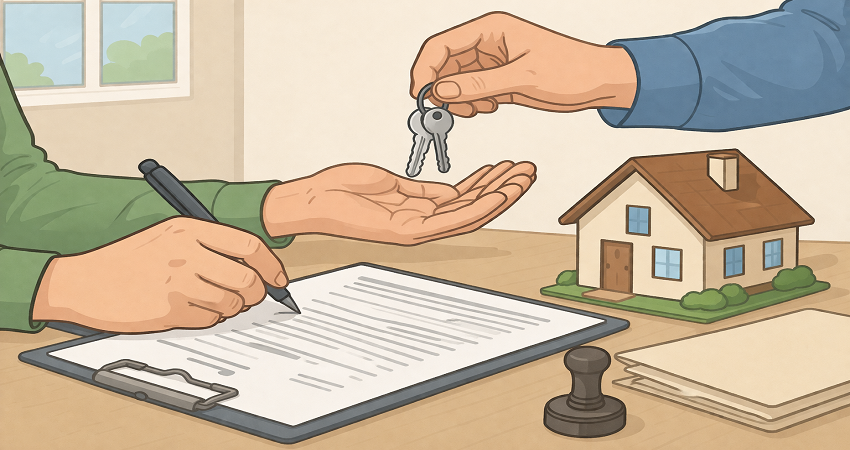
Buying property is one of the most significant financial decisions a person can make, and ensuring that the ownership is legally registered is equally important. In California, the property registration process is structured but can feel overwhelming for first-time buyers or investors. Understanding each step clearly can save time, reduce stress, and prevent costly mistakes.
The good news is that the property registration process in California is relatively straightforward when broken down into simple steps. Whether you are purchasing a home, land, or investment property, knowing the required documents, legal procedures, and timelines will help you complete the process smoothly.
This guide explains the easy property registration process in California in a clear, step-by-step manner. It is designed to help buyers, investors, and even sellers understand how property ownership is legally transferred and recorded.
Understanding Property Registration in California
Property registration in California refers to the legal recording of property ownership with the county recorder’s office. This process ensures that ownership rights are officially documented and protected under the law. Once registered, the property record becomes part of public records, making it easier to verify ownership and prevent disputes.
The registration process mainly involves transferring the title from the seller to the buyer and recording the deed. This step is essential because, without proper recording, the buyer’s ownership may not be legally recognized.
Key Documents Required for Property Registration
Before starting the registration process, it is important to gather all necessary documents. These documents ensure that the transaction is valid and legally enforceable.
Some of the essential documents include the property deed (usually a grant deed), proof of identity of both buyer and seller, purchase agreement, preliminary title report, and tax-related forms. In many cases, a title company or escrow service helps prepare and verify these documents to avoid errors.
Role of the Title Company and Escrow
In California, title companies and escrow services play a crucial role in the property registration process. The title company ensures that the property has a clear title, meaning there are no liens, disputes, or legal claims against it.
Escrow acts as a neutral third party that holds funds and documents until all conditions of the sale are met. Once everything is verified, the escrow company releases funds to the seller and sends the deed for recording.
Step-by-Step Property Registration Process
The property registration process in California follows a structured sequence of steps. Understanding each step can make the entire process much easier.
First, the buyer and seller sign a purchase agreement outlining the terms of the transaction. Next, the buyer deposits funds into an escrow account. The title company then conducts a title search to ensure the property is free from legal issues.
After that, all required documents are prepared, including the deed. Once both parties sign the documents and all conditions are met, the escrow company submits the deed to the county recorder’s office for official registration.
Recording the Deed with the County
Recording the deed is the most important step in the property registration process. This is done at the county recorder’s office where the property is located. The recorder’s office stamps the document with a recording number and date, making it an official public record.
This step legally transfers ownership from the seller to the buyer. Once recorded, the buyer becomes the official owner of the property, and the transaction is complete.
Understanding Transfer Taxes and Fees
Property registration in California involves certain taxes and fees. One of the main costs is the documentary transfer tax, which is usually based on the property’s sale price.
In addition to transfer taxes, there may be recording fees, escrow fees, and title insurance costs. These fees can vary depending on the county and the complexity of the transaction. It is important to budget for these expenses in advance.
Importance of Title Insurance
Title insurance protects buyers from potential legal issues related to property ownership. Even after a thorough title search, there may be hidden problems such as undisclosed heirs, forged documents, or clerical errors.
By purchasing title insurance, buyers can safeguard themselves against financial loss caused by such issues. This is why most lenders require title insurance before approving a mortgage.
Timeline for Property Registration
The property registration process in California typically takes a few days to a few weeks, depending on various factors. Once all documents are signed and submitted, recording the deed usually takes one to three business days.
However, the entire process—from signing the purchase agreement to final registration—can take around 30 to 45 days, especially if financing is involved.
Common Mistakes to Avoid
Many buyers make mistakes during the property registration process that can lead to delays or legal complications. One common mistake is not reviewing the title report carefully. Overlooking liens or legal claims can cause serious issues later.
Another mistake is incomplete or incorrect documentation. Even small errors in names, signatures, or property details can delay the registration process. Working with experienced professionals can help avoid these problems.
Benefits of Proper Property Registration
Proper property registration offers several benefits. It provides legal proof of ownership, protects against disputes, and ensures that the property can be sold or transferred in the future without complications.
Additionally, registered property records make it easier to obtain loans, pay taxes, and maintain clear ownership history. This adds long-term value and security to the investment.
FAQs About Easy Property Registration Process In California
1. What is property registration in California?
Property registration in California is the process of legally recording property ownership with the county recorder’s office. It ensures that ownership rights are officially recognized and protected under the law.
2. Is property registration mandatory?
Yes, property registration is essential to establish legal ownership. Without recording the deed, the ownership transfer may not be recognized in official records, which can lead to disputes.
3. Who handles the registration process?
The process is typically handled by escrow companies and title companies. They prepare documents, verify ownership, and submit the deed to the county recorder’s office.
4. How long does the process take?
The full process usually takes 30 to 45 days, depending on financing and document preparation. However, recording the deed itself often takes just a few business days.
5. What documents are required?
Key documents include the property deed, purchase agreement, title report, identification proofs, and tax-related forms. These documents ensure the transaction is legally valid.
6. What is a title search?
A title search is an examination of public records to confirm that the property has no legal claims, liens, or disputes. It ensures that the seller has the right to transfer ownership.
7. What are transfer taxes?
Transfer taxes are fees imposed by local governments when property ownership is transferred. They are usually based on the sale price of the property.
8. Why is title insurance important?
Title insurance protects buyers from hidden legal issues that may arise after purchase, such as undisclosed claims or errors in records. It provides financial security.
9. Can I register property without an escrow company?
While it is possible, it is not recommended. Escrow companies ensure that all legal and financial aspects are handled properly, reducing risks and errors.
10. What happens after registration?
After registration, the buyer becomes the legal owner of the property. The recorded deed becomes part of public records, and ownership rights are fully established.
Conclusion
The property registration process in California may seem complex at first, but it becomes much easier when broken down into clear steps. From preparing documents to recording the deed, each stage plays a crucial role in ensuring a smooth and legally secure transaction.
By understanding the process, working with professionals, and avoiding common mistakes, buyers can confidently complete their property registration. Proper registration not only protects ownership rights but also adds long-term value and peace of mind.