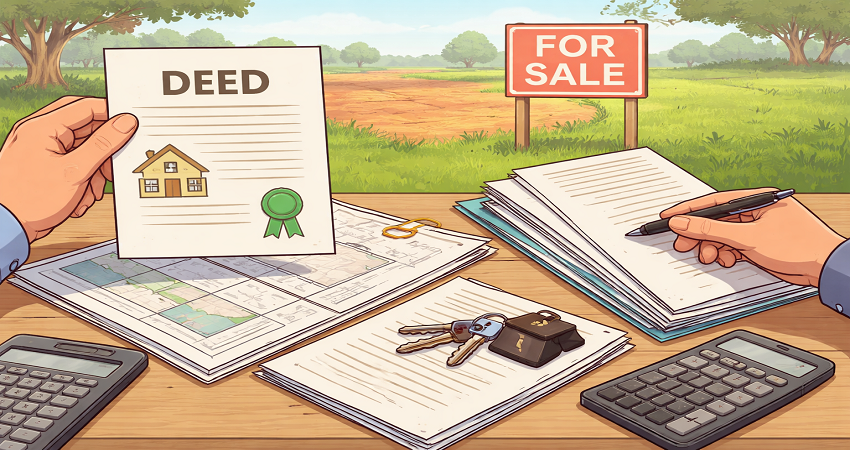
Buying land in Washington State is an exciting investment opportunity, whether you plan to build your dream home, start a business, or hold the property for future value appreciation.
However, the process involves more than just finding the right piece of land. You must ensure that all legal and financial documents are properly verified and completed to avoid future complications.
Many buyers, especially first-time investors, often overlook the importance of documentation. Missing or incorrect paperwork can lead to legal disputes, delays in ownership transfer, or even financial loss. That’s why understanding the required documents beforehand is essential for a smooth and secure land purchase process in Washington.
In this guide, we will walk you through all the important documents required to buy land in Washington. This article is designed to be simple, clear, and informative, helping you make confident decisions while staying fully compliant with local laws.
Understanding Land Purchase in Washington
Before diving into documentation, it is important to understand how land transactions work in Washington State. Unlike some regions, Washington follows strict real estate laws that require proper documentation for ownership transfer. The process usually involves a purchase agreement, title verification, financing arrangements, and registration of ownership.
Each step requires specific documents that confirm your identity, financial capability, and legal right to own the property. Whether you are buying through cash or financing, paperwork plays a crucial role in protecting both the buyer and seller.
Personal Identification Documents
One of the first requirements when buying land is valid identification. This ensures that the transaction is legally recognized and prevents fraud.
You will typically need a government-issued ID such as a passport or driver’s license. In some cases, additional identification like a Social Security Number (SSN) or Individual Taxpayer Identification Number (ITIN) may be required. These documents help verify your identity and are necessary during contract signing and registration.
Purchase and Sale Agreement
The purchase and sale agreement is one of the most important documents in a land transaction. This legal contract outlines the terms and conditions agreed upon by both the buyer and the seller.
It includes details such as the purchase price, payment terms, closing date, contingencies, and property description. Both parties must review this document carefully before signing, as it becomes legally binding once executed.
Title Report and Title Insurance
A title report is essential to confirm that the seller has legal ownership of the land and that there are no outstanding claims, liens, or disputes associated with the property.
Title insurance, on the other hand, protects the buyer from future legal issues related to ownership. It ensures that if any hidden claims arise after the purchase, you are financially protected. This document is crucial for a safe and secure transaction.
Property Deed
The property deed is the official document that transfers ownership from the seller to the buyer. In Washington, the most common types include warranty deeds and quitclaim deeds.
This document contains details about the property, the parties involved, and the legal transfer of ownership. Once signed and recorded with the county, it becomes proof that you are the legal owner of the land.
Land Survey Document
A land survey document provides detailed information about the boundaries and dimensions of the property. It helps you understand exactly what you are purchasing.
This document is especially important if you plan to build on the land or if there are boundary concerns. It ensures that there are no encroachments or disputes with neighboring properties.
Zoning and Land Use Documents
Zoning documents define how the land can be used, whether for residential, commercial, agricultural, or industrial purposes.
Before purchasing land, it is essential to review these documents to ensure that your intended use aligns with local regulations. Failure to do so may result in restrictions that limit your plans for the property.
Environmental Reports
Environmental reports assess whether the land is affected by contamination, flood risks, or other environmental hazards.
In Washington, certain areas may require environmental impact assessments. These reports help you understand any risks associated with the land and ensure compliance with environmental laws.
Financing Documents
If you are not purchasing the land with cash, you will need financing documents. These include loan approval letters, mortgage agreements, and financial statements.
Lenders require these documents to verify your ability to repay the loan. They also outline the terms of your financing, including interest rates and repayment schedules.
Property Tax Records
Property tax records provide information about the taxes associated with the land. Reviewing these records helps you understand your ongoing financial obligations.
It also ensures that there are no unpaid taxes linked to the property, which could become your responsibility after purchase.
Closing Disclosure Documents
The closing disclosure outlines all the final costs associated with the transaction, including fees, taxes, and charges.
This document must be reviewed carefully before closing to ensure that all terms are accurate and transparent. It provides a complete breakdown of your financial commitment.
Title Transfer and Registration Documents
After the purchase is completed, the ownership must be officially recorded with the county. This involves submitting the signed deed and other required forms.
Registration ensures that your ownership is legally recognized and publicly recorded. Without this step, your ownership may not be fully protected.
FAQs About Documents Required To Buy Land In Washington
1. Why is a title report important when buying land?
A title report verifies that the seller legally owns the property and has the right to transfer it. It also reveals any liens, debts, or disputes attached to the land. Without this document, you risk purchasing a property with hidden legal issues that could lead to financial loss or ownership conflicts.
2. Can I buy land in Washington without a land survey?
While it is technically possible, it is not recommended. A land survey provides accurate boundary details and helps avoid disputes with neighbors. Without it, you may face legal issues or construction challenges in the future.
3. What is the role of a purchase agreement?
The purchase agreement outlines the terms of the transaction, including price, payment conditions, and timelines. It protects both parties by ensuring that all expectations are clearly defined and legally enforceable.
4. Do I need title insurance?
Yes, title insurance is highly recommended. It protects you from unforeseen ownership claims or legal issues that may arise after the purchase. This coverage provides peace of mind and financial security.
5. What happens if zoning laws do not match my plans?
If the zoning does not align with your intended use, you may not be allowed to develop or use the land as planned. In some cases, you can apply for zoning changes, but approval is not guaranteed and can take time.
6. Are environmental reports mandatory?
Environmental reports are not always mandatory but are strongly advised. They help identify risks such as contamination or flood hazards, ensuring that you make an informed decision before purchasing the land.
7. How do I verify property taxes?
You can check property tax records through the local county office. These records show current and past tax payments, helping you confirm that there are no outstanding dues attached to the property.
8. What documents are needed for financing?
Financing typically requires income proof, credit reports, bank statements, and loan approval documents. These help lenders assess your financial stability and determine loan eligibility.
9. How is ownership officially transferred?
Ownership is transferred through a signed deed, which is then recorded with the county. This process legally registers you as the new owner and provides official proof of ownership.
10. Can I handle the documentation process myself?
While it is possible, it is highly recommended to work with a real estate attorney or professional. They ensure that all documents are accurate, complete, and legally compliant, reducing the risk of errors or disputes.
Conclusion
Buying land in Washington involves a detailed and structured documentation process. From verifying ownership through title reports to ensuring proper registration with the county, each step plays a critical role in securing your investment.
Understanding and preparing the required documents in advance can help you avoid delays, legal issues, and unnecessary stress.
By following the guidelines outlined in this article, you can confidently navigate the land purchasing process and make informed decisions that protect your financial and legal interests.