Harvesting and seasonal farm work is one of the most accessible and popular ways for students to earn money during the summer and autumn in Germany in 2026. From the famous white asparagus (Spargel) season in spring to strawberry and soft-fruit picking in summer, apple harvests in autumn, and the grape harvest (Weinlese) in Germany’s wine regions, the country’s agriculture relies heavily on seasonal helpers (Erntehelfer). The work requires no prior experience and no German degree, pays at least the statutory minimum wage, and is widely available across rural Germany. For students including international students working within their permitted days harvesting offers a practical, healthy, outdoor way to earn during breaks. This complete guide covers the pay, seasons, work rules, required qualities, benefits, and exactly how to find and apply.
💶 Pay & Earnings (2026)
Statutory Minimum Wage (Mindestlohn)
€12.82+ / hour
2025 rate · verify current 2026 figure
Piece-Rate / Bonuses
Sometimes Added
per kg / crate on some farms
Asparagus (Spargel)
Apr–Jun
min. wage + piece rate
Strawberries / Soft Fruit
May–Aug
summer break work
Apples / Orchard
Aug–Oct
autumn harvest
Grapes (Weinlese)
Sep–Oct
wine regions
By law, harvest workers must be paid at least the German statutory minimum wage (Mindestlohn) €12.82 per hour as of 2025; confirm the exact current 2026 rate before starting, as it is reviewed periodically. Some farms add piece-rate bonuses (per kilo or crate picked) for fast, experienced pickers on top of the hourly minimum. Many seasonal roles offer on-site or low-cost accommodation and meals, which can make the work financially attractive for students during breaks. Note that some seasonal agricultural employment is structured as “short-term employment” (kurzfristige Beschäftigung), which has specific tax/social-contribution treatment ask the employer how the role is structured and what you take home.
🛂 Work Rules: Important for International Students
German and EU/EEA citizens can work freely. Non-EU international students (for example, those from Nigeria, India, Bangladesh, and elsewhere) studying in Germany on a student residence permit can work, but under a specific annual limit: the long-standing rule allows working a set number of days per year commonly expressed as a certain number of full days or twice as many half days without needing special permission. This figure has been subject to change through policy updates, so you must verify the current permitted number of working days/hours for international students with the official German authorities (Ausländerbehörde / Federal Foreign Office / your university) before taking seasonal work.
Seasonal harvest work counts toward your annual work allowance, so plan carefully: an intensive few weeks of full-time picking during the summer break can use up a significant portion of your permitted days. Importantly, working beyond your allowance without authorization breaches your residence permit conditions and can have serious consequences for your stay and studies. Some student work (such as academic student assistant roles) may be treated differently but standard seasonal harvest work generally counts against the limit. Always confirm how a specific role affects your allowance.
Before accepting any role, confirm your exact work entitlement with your university’s international office and the local Ausländerbehörde (foreigners’ authority), and check the current official rules. You will typically need a German tax ID (Steuer-ID) and, depending on the role, registration with social security. Reputable employers will handle the paperwork correctly and confirm your right to work.
💡 Check Your Annual Work-Days Allowance First
Non-EU students in Germany may work a limited number of days per year without special permission but this figure has changed via policy, so confirm the current permitted days/hours with your university’s international office and the Ausländerbehörde before taking seasonal harvest work. Seasonal picking counts toward this annual limit, so budget your days. EU/EEA students can work without this restriction. You’ll also need a tax ID (Steuer-ID).
🌍 Why Harvesting Works Well for Students
Harvest work is especially well-suited to students because it concentrates in the summer and autumn precisely when most students have semester breaks (Semesterferien) and can work intensively full-time. Rather than fitting a few hours around lectures, students can take a focused block of seasonal work during a break, earn a meaningful sum, and return to studies refreshed. This seasonal rhythm aligns naturally with the academic calendar and with international students’ annual work-days allowance, which is easiest to use in a concentrated period.
The barrier to entry is genuinely low. Harvesting requires no prior experience, no qualifications, and often only basic German or English farms hire based on willingness to work, physical ability, and reliability, and train pickers quickly on the day. For international students new to working in Germany, this accessibility makes harvest work one of the easiest first jobs to obtain, and the clear, physical nature of the work means you become productive quickly.
Many harvest roles include practical perks that stretch a student’s earnings: on-site or low-cost accommodation, meals, and a community of fellow seasonal workers, often from many countries. This can make a summer of harvest work both financially worthwhile and socially rewarding, and a genuine cultural experience of rural Germany. The guaranteed minimum wage means your hourly pay is protected by law, and piece-rate bonuses on some farms reward those who pick quickly.
Finally, the work is healthy and straightforward outdoors, active, and free of the stress of more complex jobs which many students find a welcome change from study. While physically demanding, it builds a reliable work record and references, gives a taste of German working life and language, and provides honest earnings during a break. For students seeking accessible, well-paid seasonal income, harvesting is a practical and rewarding choice.
⚡ Types of Harvest & Seasonal Farm Roles
Common Harvest Work
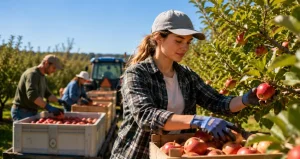
Asparagus (Spargel) harvesting in spring is Germany’s signature seasonal job cutting white asparagus, physically demanding but well-paid and in high demand from April to June. Strawberry and soft-fruit picking runs through the summer break, ideal for students. Apple and orchard harvesting peaks in autumn. Grape harvesting (Weinlese) in Germany’s wine regions (Rhineland-Palatinate, Baden, Mosel) runs in September–October a popular, scenic seasonal role. Beyond picking, packing, sorting, and farm-shop roles support the harvest. Each crop has its own season and demands, so you can often find work across several months by following the harvest calendar.
Qualities Employers Value
Harvest employers value physical stamina above all the work involves long hours outdoors, bending, lifting, and repetitive motion in varying weather, so reasonable fitness and resilience are essential. Reliability (turning up early and consistently through the season) is highly valued, as harvests are time-sensitive. Speed and consistency in picking matter, especially where piece-rate bonuses apply. Teamwork and a positive attitude help in the communal, often multinational work environment. High-level German is not required basic instructions are easily learned but a willingness to follow guidance and work hard is what employers seek. Honesty with yourself about the physical demands is important before committing.
📋 Eligibility & Requirements
1
Work Entitlement & Annual Days Limit
German and EU/EEA citizens can work freely. Non-EU international students can work a limited number of days per year without special permission but this figure has changed via policy, so confirm the current permitted days/hours with your university’s international office and the local Ausländerbehörde before taking seasonal work. Seasonal harvest work counts toward this annual allowance, so plan your days carefully. You will also need a German tax ID (Steuer-ID).
2
No Experience or Qualifications Required
The vast majority of harvest roles require no prior experience, no qualifications, and only basic language for core tasks. Farms provide on-the-job instruction and hire based on willingness, physical ability, and reliability. This makes harvesting one of the most accessible jobs for students, including international students new to working in Germany. A strong work ethic and readiness for physical outdoor work matter most.
3
Physical Fitness for Outdoor Work
Harvesting is physically demanding long hours of bending, lifting, and repetitive picking outdoors in varying weather. Reasonable physical fitness and resilience are essential. Be honest with yourself about the demands before committing, especially for intensive crops like asparagus. Proper clothing, sun protection, and hydration are important for working comfortably and safely.
4
Availability During Harvest Season & Travel
Harvest work is concentrated in specific seasons and located in rural farming regions, so availability during the relevant season (often summer/autumn breaks) and willingness to travel to or stay near the farm are needed. Many farms offer accommodation, which helps. Plan around the harvest calendar and your semester breaks to make the most of the opportunity within your work-days allowance.
🎁 Benefits & What You Gain
💶
Minimum-Wage-Protected Seasonal Income
Harvest work pays at least the German statutory minimum wage by law, with piece-rate bonuses on some farms an honest, protected income during semester breaks, often boosted by free or cheap accommodation and meals.
🌅
Fits the Semester Break Perfectly
Concentrated in summer and autumn, harvest work lets students earn intensively during breaks without affecting studies ideal for using an international student’s annual work-days allowance in one focused block.
🌱
Accessible, Healthy & Outdoor
No experience needed, active outdoor work, and a multinational team make harvesting an easy, healthy first job a refreshing change from study and a genuine taste of rural German life.
💪
Work Record, References & Language Exposure
Reliable seasonal work builds a German work record and references, and the immersive environment offers real exposure to German working life and language useful for your future in Germany.
📨 How To Find & Apply
Use Specialist Seasonal-Work Portals & the Bundesagentur
Dedicated seasonal/harvest-work portals (such as saisonarbeit-in-deutschland.de and similar Erntehelfer platforms) list farm vacancies by crop and region. The Federal Employment Agency (Bundesagentur für Arbeit) job board (arbeitsagentur.de) also lists seasonal agricultural work. Search “Erntehelfer,” “Saisonarbeit,” and the crop/region you want.
Search Indeed & Apply Directly to Farms
Indeed Germany lists harvest and seasonal roles search “Erntehelfer” or “harvest worker.” You can also contact farms and orchards in agricultural regions directly, as many recruit seasonal helpers each year and welcome direct enquiries ahead of the season. Apply early, as popular crops (like asparagus) fill quickly.
Check Your University International Office & Get a Tax ID
Your university’s international office can advise on your work-days allowance and point to safe seasonal opportunities. Sort your German tax ID (Steuer-ID) and any required registration before starting. Confirm how the role is structured (e.g. short-term employment) and what you take home. A simple application stating your availability and willingness to do physical work is enough experience is rarely required.
Confirm Your Work Allowance & Avoid Scams
International students must confirm their permitted work days and that the role fits within them, with their university and the Ausländerbehörde, before starting. Apply only through legitimate portals and verified farms, never pay for a job or “placement,” and be wary of offers demanding upfront fees or that sound too good to be true. A legitimate employer pays at least minimum wage, handles paperwork properly, and never charges you to be hired.
Search & Apply Here:
📅 Season
Apr–Oct (peak)
💼 Type
Seasonal · Full-time
📊 Experience
None Required
🌾 Earn Over the Break With Seasonal Harvest Work
Minimum-wage-protected pay, no experience needed, accommodation perks, and a perfect fit with semester breaks make harvesting a smart seasonal job for students in Germany in 2026. Search Arbeitsagentur and seasonal portals, apply early, and if you are a non-EU international student always confirm your permitted work days first.





Be First to Comment